By Nicky Smith, Technology Innovator
The personal computer era that began in the late 1970s has done more than put powerful tools on desks and in pockets. It has been one of the strongest engines of economic growth in modern history. When the Apple II arrived in 1977, the IBM PC launched in August 1981, the Macintosh debuted in January 1984, and the original iPhone went on sale in June 2007, each milestone expanded what individuals and organizations could produce, sell, and deliver. Those innovations created entirely new industries, raised productivity, and opened markets that simply did not exist before.
That expansion continues today. Every app, message, map, and video call that powers daily commerce runs on data centers. The same facilities that host the tools listed below also deliver the reliable voice and messaging platforms that businesses, schools, and public agencies depend on.
A sampling of the applications that rely on this infrastructure includes:
- Email and calendars such as Gmail, Outlook, and Apple Mail
- Messaging and collaboration tools including WhatsApp, iMessage, Signal, Slack, and Microsoft Teams
- Social and professional networks such as Facebook, Instagram, LinkedIn, TikTok, and X
- Navigation services like Google Maps, Apple Maps, and Waze
- Streaming and media platforms (Netflix, YouTube, Disney+, Spotify, Apple Music)
- Payments and banking apps (PayPal, Venmo, Square)
- Shopping and delivery services (Amazon, Walmart, Target, DoorDash, Uber Eats)
- Productivity suites (Google Workspace, Microsoft 365, Dropbox, iCloud, Google Drive)
- Video and remote-work tools (Zoom, Google Meet, Webex)
- Transportation apps (Uber, Lyft)
- Voice assistants such as Siri, Alexa, and Google Assistant
These services have multiplied economic opportunity. Small businesses reach customers nationwide. Remote and hybrid work became practical. New categories of digital products and services appeared. Research organizations such as the Uptime Institute, IDC, and Gartner have documented how cloud and colocation capacity underpins the majority of this activity.
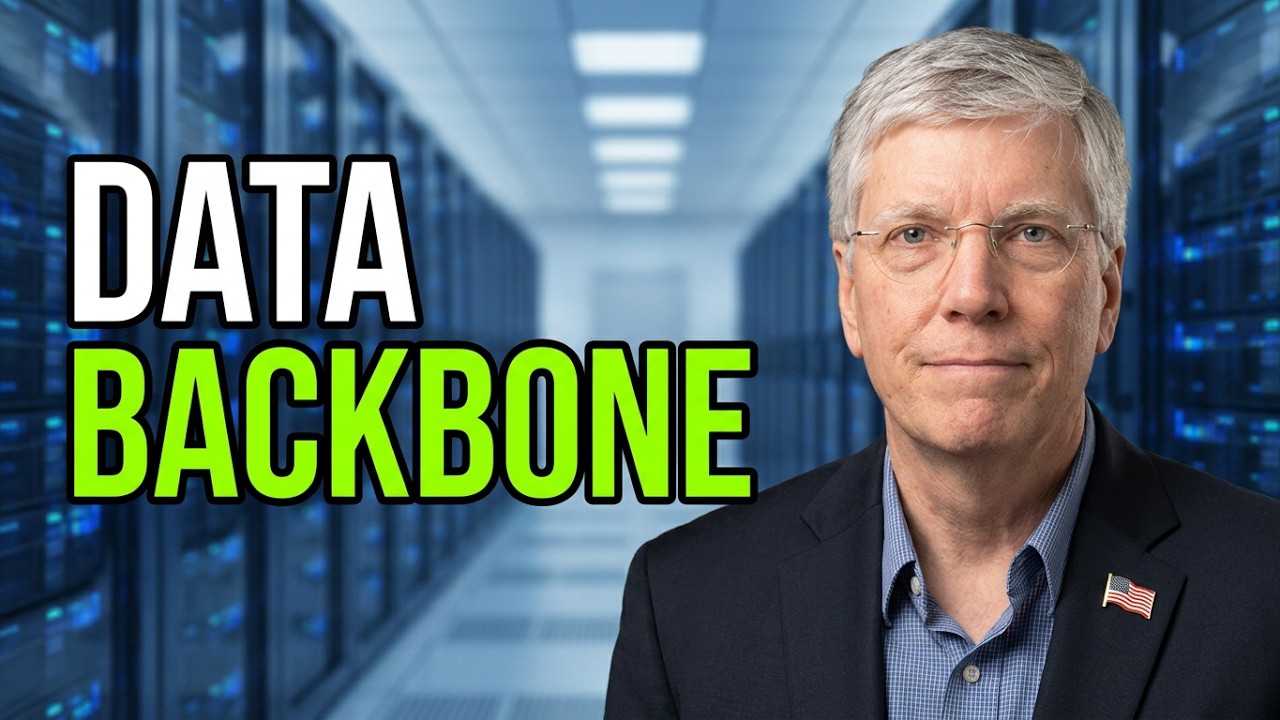
Organizations increasingly choose professionally managed data centers over on-site servers because the facilities deliver stronger security, easier updates, and better performance for remote users. Typical protections include multi-factor access control with badges and biometrics, mantrap entry systems, 24/7 security personnel and video monitoring, perimeter controls, visitor logging, advanced fire suppression, continuous environmental monitoring, redundant power and cooling, firewalls, intrusion detection, network segmentation, encryption, and regular third-party audits. Many facilities maintain compliance with standards such as SOC 2 or ISO 27001—levels of protection that are difficult to sustain in an ordinary office closet.
At Carolina Digital Phone, we have hosted voice and communications services in data centers for more than 20 years. Our platform runs across four locations so calls and messages stay available:
- Our own facility in downtown Greensboro, North Carolina, with just under 2,000 square feet of data-center space, a 250 kW diesel generator, and multiple dedicated fiber connections to Tier 1 providers.
- Colocation space at MCNC in Research Triangle Park, North Carolina, the same environment used by many schools and government agencies.
- An Equinix data center in Dallas, Texas, providing geographic separation.
- Servers hosted in Amazon Web Services (AWS) facilities in Northern Virginia (the Ashburn area).
This geo-redundant design supports our 99.999% uptime target and delivers calls in microseconds. When one site experiences an issue, traffic continues through the remaining locations. Customers avoid the cost and complexity of managing their own generators, cooling, security, and software updates.
To meet these facilities’ growing power needs, utilities and technology companies are exploring dedicated generation options. In Virginia, Dominion Energy entered a memorandum of understanding with Amazon to study small modular reactor (SMR) development near the North Anna Power Station, targeting at least 300 MW of new capacity to support data-center demand. Dominion’s integrated resource plans also include multiple SMRs beginning in the mid-2030s. These steps, covered in public announcements and reporting by Virginia Business, Utility Dive, and Data Center Dynamics, show how the industry is preparing the reliable electricity needed for continued economic expansion.
The pattern is familiar. Reliable electricity in the early 1900s transformed homes and workplaces. The automobile replaced the horse and buggy and created new industries. Later innovations—radio and television, refrigeration, commercial aviation, the telephone’s evolution into the smartphone, personal computers, the internet, modern medicine, air conditioning, GPS, and electronic payments—each faced early skepticism, then rapid adoption, then the expectation that they would simply work. Computing from the late 1970s onward has followed the same path and has accelerated economic activity more broadly than almost any prior technology.
We have already adapted to these tools. The next chapter is the continued growth of smart, secure, geo-redundant data centers that keep the applications and communications of a modern economy running. For organizations that want reliable voice and messaging without the burden of on-site servers, that infrastructure is already in place and continues to expand.
Resources for further reading
- Dominion Energy announcements and Integrated Resource Plan filings on SMR exploration
- Uptime Institute research on data center reliability
- IDC and Gartner reports on cloud adoption and digital transformation
Fifty-plus years of computing innovation have expanded opportunity for individuals and businesses alike. Reliable data centers are the quiet foundation that keeps that progress moving forward.
Conclusion and Call to Action
The same spirit of practical innovation that turned the Apple II, IBM PC, Macintosh, and iPhone into everyday tools now lives in the data centers that power modern communications. Reliable voice, messaging, and cloud applications are no longer optional—they are the infrastructure that lets businesses grow, schools stay connected, and public agencies serve their communities without interruption.
If your organization is still managing servers in a back office, or if you simply want a clearer, more dependable way to handle calls and messages, the next step is straightforward. Carolina Digital Phone has spent more than two decades building and supporting geo-redundant hosted voice and communications platforms right here in North Carolina. We handle the data centers, the redundancy, the security, and the uptime so you can focus on running your organization.
Contact our local Greensboro team to learn how a modern hosted phone system can give your business the same reliability that data centers have brought to the rest of the digital economy. Whether you need a simple upgrade, business texting, an AI receptionist, or a full communications platform, we are ready to help you move forward with confidence.