






While cloud-based telephone communications are becoming more popular than ever, there are still some issues that can be cumbersome. Specifically, the connection between digital calls and police investigations is often a mess of red tape. If your municipality’s law enforcement or legal teams are struggling to track down info on phone numbers, it’s likely because they are hitting a “wholesale wall.”
As a major global network provider, Sinch manages over 100 million phone numbers. For organizations like Carolina Digital Phone, Sinch serves as a critical backbone provider. Understanding how their compliance system works can help your department save weeks of investigation time.

1. The “Wholesale” Problem: Who Has the Data?
The most important thing for your IT and police teams to understand is that Sinch is a wholesale provider. They provide the “pipes” that other companies use.
- Sinch usually doesn’t know the caller: Because they sell numbers in bulk to other carriers, Sinch rarely has the name or address of the person using the phone.
- The “Next Step” Strategy: If your officers submit a warrant, Sinch’s main job is to tell them which retail company (the actual service provider) owns that specific number. Your team will then need to contact that retail company to get the user’s identity or call logs.
2. The LEA Portal: A 24/7 Shortcut
To stop police from wasting weeks on paperwork just to find out which company to talk to, Sinch created a Law Enforcement Portal.
- Skip the Warrant: For many numbers, Sinch has permission to give out the service provider’s name immediately. Credentialed officers can log in and look this up without needing a formal legal demand.
- Efficiency: Registered users can check up to 25 numbers a day. This helps your detectives quickly identify where they actually need to send their subpoenas.
3. How to Get a Fast Response (The “20-Day Rule”)
If your legal team needs to send a formal subpoena or search warrant to Sinch, it has a very strict, automated system. If you don’t follow their rules, the request will default to a slow 20-business-day waiting period.
To get a faster turnaround, your staff must:
- Email only: They do not accept faxes.
- Prioritize the Subject Line: The email subject line must begin with the date the response is due.
- Use the Right Format: Documents must be PDFs and must include a specific “Cover Page” found on Sinch’s website.
4. Life-and-Death Emergencies
In “Exigent Circumstances”—situations involving immediate danger of death or serious injury—your team shouldn’t use the standard email. Sinch has a dedicated web form for emergencies to bypass the queue. The agency just has to certify it’s a real emergency and promise to send the official paperwork later.
The Bottom Line for IT Directors
You can improve your municipality’s investigative efficiency by ensuring your police and legal departments:
- Register for the Sinch Portal so they aren’t waiting weeks for basic “who-is-the-carrier” info.
- Standardize their submission process to align with Sinch’s automated requirements and avoid the 20-day delay.
- Understand the “Chain of Data”—knowing that Sinch is the bridge to the data, not usually the owner of it.
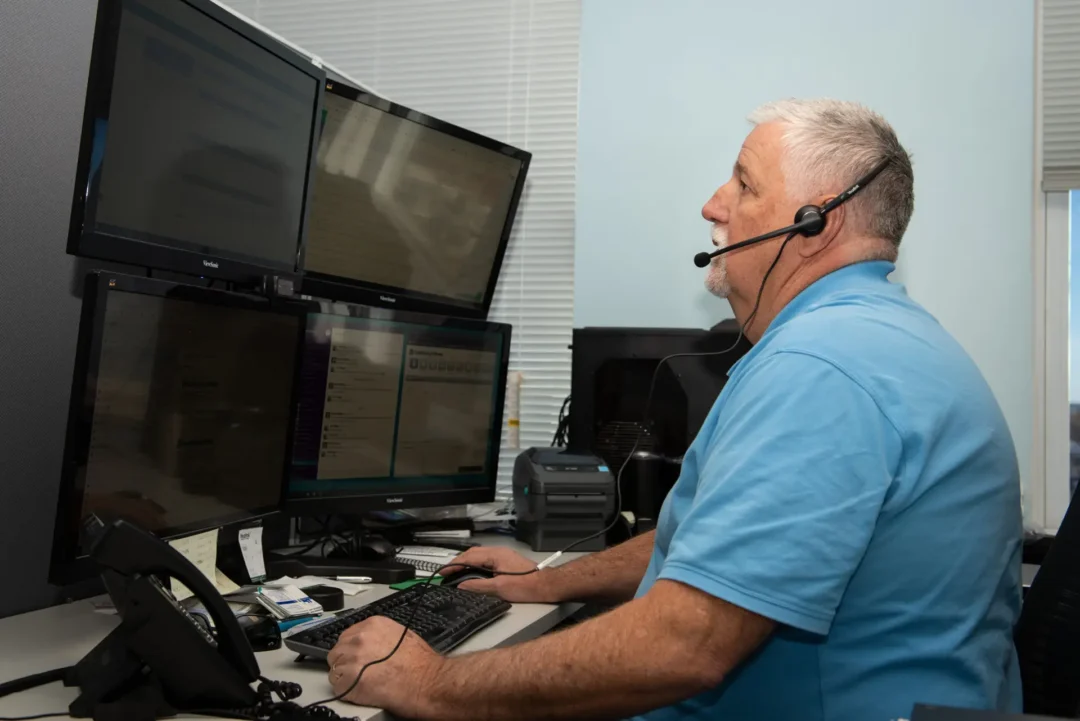
Expert Assistance from Carolina Digital Phone
As an expert in cloud communications, Carolina Digital Phone is here to help you navigate these technical hurdles. We provide the expertise needed to understand VoIP infrastructure and ensure your requests are handled with precision.
For more information or assistance in using the Law Enforcement Portal, contact our Support Engineers. We are dedicated to providing the technical clarity and support required to ensure your investigative tools are used effectively. Call us today at (336) 544-4000 to learn how Carolina Digital Phone can become your municipality’s or government’s trusted communications partner.